The proposed Public Service Educational Assistance Act would turn long public careers into a college benefit for eligible workers’ dependents. Its potential value is substantial: four years of in-state tuition and fees at a public four-year college currently average about $47,800, before books. But the bill’s narrow eligibility rules, lack of a funding mechanism and uncertain path through Congress make the proposal far from a dependable household resource.
A sizable benefit with a defined reach
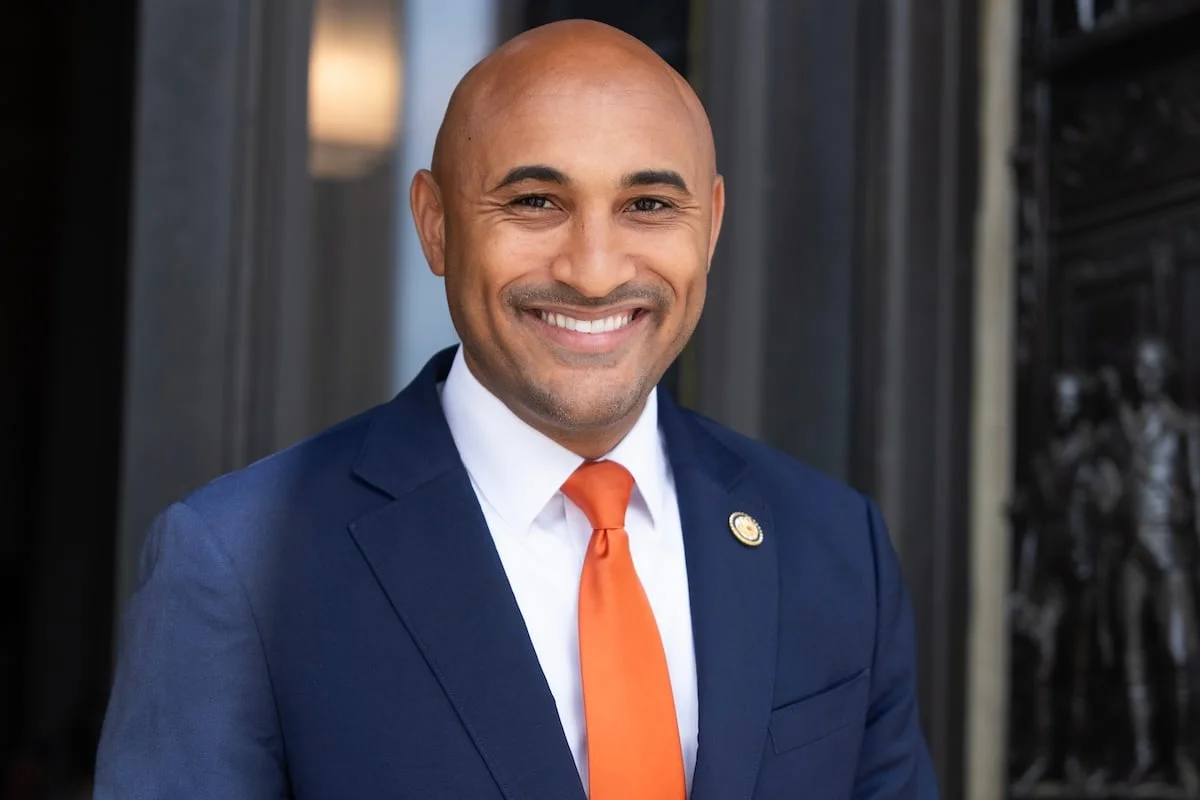
Rep. Shomari Figures (D-AL) introduced H.R. 10551 on September 24, 2026. A Senate counterpart, S. 5566, was introduced the same day. The proposal would pay tuition, fees and books for up to four academic years for qualifying dependents attending eligible public colleges or training programs.
Figures announced the measure alongside Sen. Cory Booker (D-NJ), Rep. Jahana Hayes (D-CT) and Rep. Mike Ezell (R-MS), one of its Republican cosponsors. Booker said the aim was for the children of public servants to “can go to college without drowning in debt.” The bill has also drawn backing from public-safety and social-work groups, though support does not resolve the central fiscal question: the legislation does not specify how the benefit would be funded or what it would cost.
The proposal has been compared with education benefits available to military families, including the GI Bill. The comparison is useful for scale, but the rules differ. This bill would require 20 years of full-time public service and restrict use to in-state public institutions. It would not cover housing.
What the bill would cover
The bill text sets a high service threshold. Eligible workers would need at least 20 years of full-time employment, defined as 40 or more hours a week. Service could be accumulated over time rather than served consecutively. Qualifying roles include first responders, public K-12 educators, and government social workers in mental health and child welfare.
- Eligible dependents: A worker’s dependent would need to be under 26. The proposal uses the tax code’s definition of a dependent, with the age limit extended from 19 to 26.
- Eligible costs: Tuition, fees and books would be covered for up to four academic years, with no stated dollar cap. Housing and food are not included.
- Eligible institutions: The student would need to attend a public college or public training program leading to a recognized credential in a state where they qualify for in-state tuition. Private colleges are excluded.
- Other aid and taxes: The benefit could be used alongside Pell Grants and federal loans, and would be exempt from federal income tax.
- Timing: Workers would need to be serving when the law takes effect or begin qualifying service afterward. Public servants who retired before enactment appear to be excluded.
The residency condition could shape a family’s college choices. A student who attends a public institution across a state line and pays out-of-state tuition would not qualify under the proposal. That restriction matters because out-of-state attendance can raise costs substantially, as explored in this guide to out-of-state college costs.
Tuition is only part of the family budget
College Board data put average in-state tuition and fees at public institutions at $11,950 for 2025-26, an increase of 2.9% from the previous year. Across four years, that adds up to roughly $47,800 at current prices. The bill would also cover books, but not room and board, which can exceed tuition at public colleges. Families weighing the potential benefit would still need to account for those costs and any expenses the program leaves uncovered. See the College Board’s pricing data and this overview of the average cost of college.
Public community colleges and technical programs could make the benefit stretch further. The bill includes public credential programs, and in-district community-college tuition averaged $4,150 in 2025-26. That opens a route beyond four-year degrees, including technical training, while keeping the institution and residency requirements in place. The scope resembles the expansion of eligible education expenses under 529 plan rules for credentials and job training.
The workforce pool is broad, but the number of eligible families would be much smaller than headline employment totals suggest. The Bureau of Labor Statistics counts about 3.2 million elementary, middle and high school teachers, along with roughly 824,200 police officers. Those figures include private-sector workers, and the bill applies only to qualifying public employees with two decades of full-time service. The counts for teachers are available for elementary, middle and high school roles; police figures are reported by the BLS.
The service clock and age limit may leave families out
Twenty years of service narrows the pool further, especially for workers whose children reach college age before the employee qualifies. Someone who begins teaching at 25 would reach the service threshold at 45. Depending on the child’s age, the family could have already paid for college—or the dependent could be nearing the bill’s age-26 cutoff. Long service alone would not guarantee a usable benefit.
That timing makes the proposal a poor fit for some families even if they meet the occupational requirements. Existing state tuition waivers and loan-forgiveness programs may offer alternatives for some teachers and first responders. Alabama, for example, has a Police Officers’ and Firefighters’ Survivors Educational Assistance Program for children of officers and firefighters killed in the line of duty. H.R. 10551 would be based on a worker’s service record instead.
Some public servants also qualify for Public Service Loan Forgiveness on their own federal student loans. This proposal would extend education support to a dependent, but through a separate benefit with its own service, age and school conditions.
Political backing and funding remain unresolved
The Fraternal Order of Police endorsed H.R. 10551 in an October 1 letter, arguing it could help officers stay in the profession amid what it described as “a critical recruitment and retention crisis.” Figures’ office also reported support from the International Association of Fire Fighters and the National Association of Social Workers. The bill’s supporters frame the benefit as both family assistance and a way to strengthen public-service recruitment and retention.
Congressional action is the near-term constraint. The bill was referred to the House Education and Workforce Committee and the Ways and Means Committee, which handles the tax exemption. It contains no authorization of appropriations, leaving the cost and payment structure unanswered. A Congressional Budget Office estimate would help clarify the potential fiscal exposure, but the source reports no estimate.
The measure was introduced in the 119th Congress, with a January 3, 2027, deadline for action before that Congress ends. If it does not advance by then, lawmakers would need to introduce it again in the next Congress. Until the bill’s funding and legislative prospects become clearer, families should treat the benefit as a proposal rather than a planned source of college financing. For public workers assessing current options, information on student loan forgiveness programs and state education benefits remains relevant today.


