Why Graduated Repayment Can Cost More Than It Seems
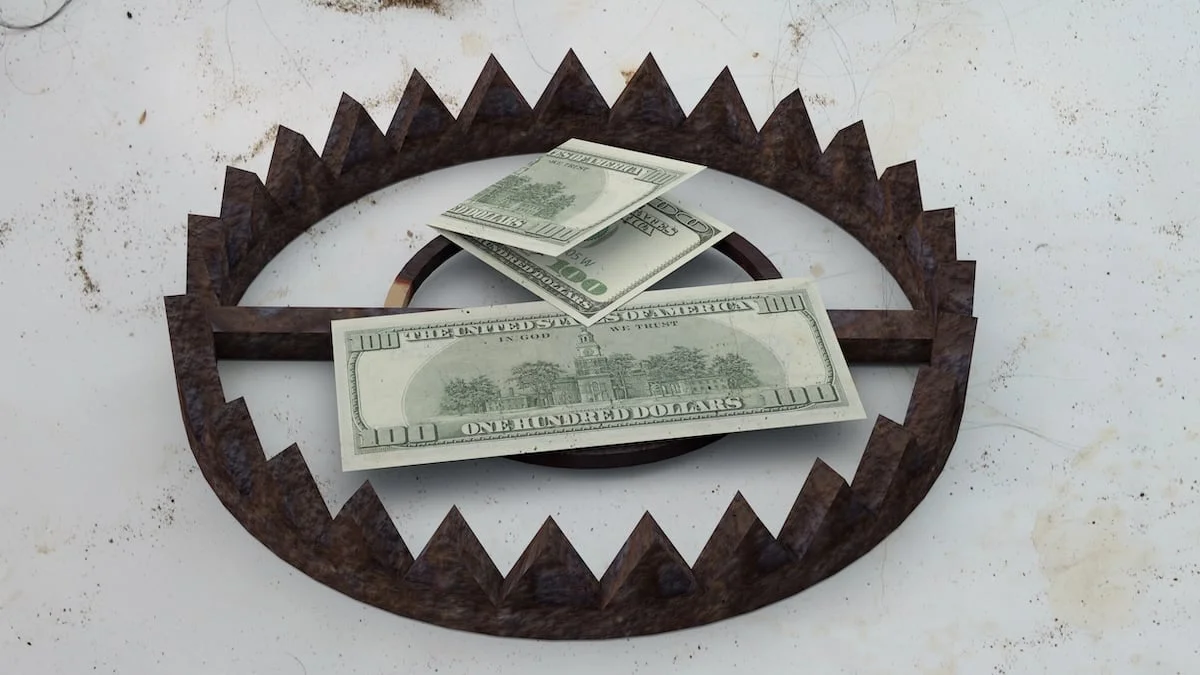
Why do you keep calling graduated repayment “a trap”?
— Anonymous Facebook user
Welcome to the Friday mailbag. Each week, we answer one reader’s question. Have one for us? Send it along using the form at the bottom of the article.
The appeal of the graduated repayment plan is easy to see: payments start low. But that initial relief can carry a steep price. Early payments often don’t qualify for loan forgiveness, and the plan typically costs more in interest than the 10-year Standard plan.
Fewer than 10% of borrowers enroll in graduated repayment, according to student loan statistics. Yet almost nobody who chooses it completes repayment under the plan. After nearly 20 years helping borrowers sort through their options, I’ve seen a common pattern: people stay on graduated repayment for four to eight years, then switch after realizing it doesn’t fit. By then, they may have lost years that could have counted toward forgiveness and made little progress reducing what they owe.
How The Payments Work
Graduated repayment starts with a low bill and raises it every two years over a 10-year term. Federal rules limit any one payment to no more than three times another payment in the schedule, as set out in the Direct Loan repayment regulations. In practice, the final bill can reach three times the first—and can exceed payments under the Standard plan or income driven repayment.
For consolidation loans, graduated repayment can stretch as long as 30 years, depending on the balance. A longer payoff period gives interest more time to accumulate.
The Forgiveness Clock Can Stall
For Public Service Loan Forgiveness (PSLF), a month generally qualifies only if the payment is at least as much as the amount due under the 10-year Standard plan. That requirement appears in the PSLF regulation. Our guide to payments and periods that count toward PSLF explains the rules in more detail.
Because graduated payments are usually below the Standard amount during the first half of the schedule, those months may not count toward PSLF or income driven repayment (IDR) forgiveness. In the example discussed here, the first 72 months fall short. Later, a graduated payment can exceed the amount required under IBR without earning more than the same monthly forgiveness credit. The numbers don’t make that trade especially appealing.
There’s a recent reminder of how much borrowers can depend on accurate payment records: thousands saw their PSLF payment counts removed after the Education Department corrected errors.
The problem can become more costly when the scheduled payment rises beyond what a borrower can afford. People may switch to Income-Based Repayment (IBR), but only months that met the Standard payment threshold carry over. Leave graduated repayment after five years, and those five years may be lost for forgiveness purposes.
That’s a quarter of the 20-year forgiveness period under new IBR, or half of the 120 qualifying payments required for PSLF. Borrowers on older IBR, which has a 25-year forgiveness period, give up 20% of that timeline.
What The Interest Adds Up To
On a $35,000 loan, graduated repayment adds an estimated $3,383 in interest compared with the 10-year Standard plan. The example uses 6.39%, the undergraduate Direct Loan interest rate for 2025–26. Graduated schedules below are estimates designed to fit federal payment limits, so a servicer’s precise figures may vary.
| 10-Year Standard | Graduated | Extended (Level) | Extended Graduated | |
|---|---|---|---|---|
| Monthly payment | $395 | $227, rising to $681 | $234 | $186, rising to $343 |
| Repayment term | 10 years | 10 years | 25 years | 25 years |
| Total interest | $12,455 | $15,838 | $35,177 | $41,193 |
| Total paid | $47,455 | $50,838 | $70,177 | $76,193 |
| Balance after five years | $20,265 | $28,123 | $31,649 | $34,489 |
Assumes a 6.39% interest rate. Graduated payment schedules are estimates within federal plan limits. Sources: Federal Student Aid and The College Investor.
For someone pursuing forgiveness, the remaining balance matters too. After five years on graduated repayment in this example, $28,123 remains—$7,858 more than under the Standard plan. That’s the balance a borrower may carry into IBR or the Repayment Assistance Plan (RAP) when the graduated bill becomes too high.
Graduated repayment also costs more than the comparable level-payment option in both the 10-year and extended examples. Low early bills don’t erase the extra interest; they shift more of the cost into later years.
Why Extended Graduated Can Be More Expensive
Extended Graduated combines rising payments with a 25-year term. Borrowers with more than $30,000 in Direct Loans may qualify, the same balance threshold that applies to the level Extended Repayment Plan.
In the $35,000 example, Extended Graduated accrues $41,193 in interest: $28,738 more than the 10-year Standard plan and $6,016 more than level Extended. The first payment barely covers that month’s interest. After five years, the balance has fallen by just $511.
Forgiveness eligibility is a problem as well. The example’s highest payment is $343, below the $395 Standard payment. As a result, none of its Extended Graduated payments would qualify for PSLF or IDR forgiveness.
Plans To Consider Instead
The right choice depends on whether your aim is to clear the debt or seek forgiveness. Our review of the best student loan repayment plans compares the options. These three are better suited to common borrower goals.
For The Lowest Cost: 10-Year Standard
The 10-year Standard plan has the lowest interest cost among traditional repayment plans. Its payments can also count if you later switch to PSLF or IDR, so starting here doesn’t put those months to waste.
For A Lower Bill: Extended Repayment With Extra Payments
Borrowers with more than $30,000 in Direct Loans can spread payments over as long as 25 years through the level Extended Repayment Plan. You can treat the required payment as a minimum and add more when your budget allows, using a debt snowball strategy. Those Extended payments don’t count toward PSLF, so this route makes sense only if forgiveness isn’t your aim.
Make sure extra payments reduce principal. Ask your servicer to apply them that way to avoid paid-ahead status, or submit additional payments manually through your loan servicer’s website.
For Lower Income Or Forgiveness: RAP Or IBR
The Repayment Assistance Plan bases payments on income, with a $10 minimum. Each month, RAP waives unpaid interest and provides a principal match of up to $50. RAP payments count toward PSLF, so qualifying borrowers can start earning credit from the beginning.
Some existing borrowers can also choose IBR, which sets payments at 10% or 15% of discretionary income. Compare the options with our RAP calculator.
Can Borrowers Still Enroll In 2026?
Graduated repayment will remain available only to borrowers with older loans. Under the One Big Beautiful Bill Act, loans made on or after July 1, 2026 must use the Tiered Standard plan or RAP, according to this timeline of federal student loan changes.
Taking out a new loan or consolidating on or after July 1, 2026 also removes graduated and Extended Graduated repayment from all of your Direct Loans. See the guide to keeping your current repayment plan after 2026 for details.
What To Take Away
Graduated repayment trades smaller bills now for higher interest and, in many cases, missed forgiveness credit. If you need to lower your payment, RAP or IBR may offer relief while keeping a forgiveness clock running.
If paying off the loan is the priority, the 10-year Standard plan or level Extended repayment is generally a clearer fit. RAP can also work for borrowers focused on repayment if they expect to adjust their payments within a few years. Stretching RAP across its full 30-year term would be a poor match for a goal of clearing the debt.
Frequently Asked Questions
Do Graduated Payments Count Toward PSLF?
Only payments at least as large as the 10-year Standard amount qualify. The early, smaller bills won’t advance your PSLF progress. With Extended Graduated, payments may never reach that threshold. Borrowers pursuing PSLF should look at IBR or RAP.
Can I Move From Graduated Repayment To IBR Or RAP?
Yes. Direct Loan borrowers can change plans through their servicer or StudentAid.gov. For time-based IDR forgiveness, however, only graduated months that met the Standard payment amount count.
Is Graduated Repayment Ever A Good Choice?
My general answer is no. In nearly 20 years of helping people with student loans, I haven’t seen a successful outcome from this plan. Other choices in the guide to the best student loan repayment plans can keep payments manageable while preserving forgiveness credit.
Send Us Your Question
Have a question about student loans, financial aid, or money that’s been hard to get answered? Send it to us. We may feature it in a future Friday mailbag.
Questions for The College Investor
Readers can submit a question using the form. It asks for a name, email address, and a question of up to 600 characters. The site says submitted questions may be edited and published in articles, that it may not answer every submission, and that readers’ identities will remain anonymous.
The closing point is practical: if you’re weighing a student loan repayment choice, you can send in a question, but publication or a reply isn’t guaranteed.
The post Why Graduated Repayment Is A Student Loan Trap appeared first on The College Investor.


