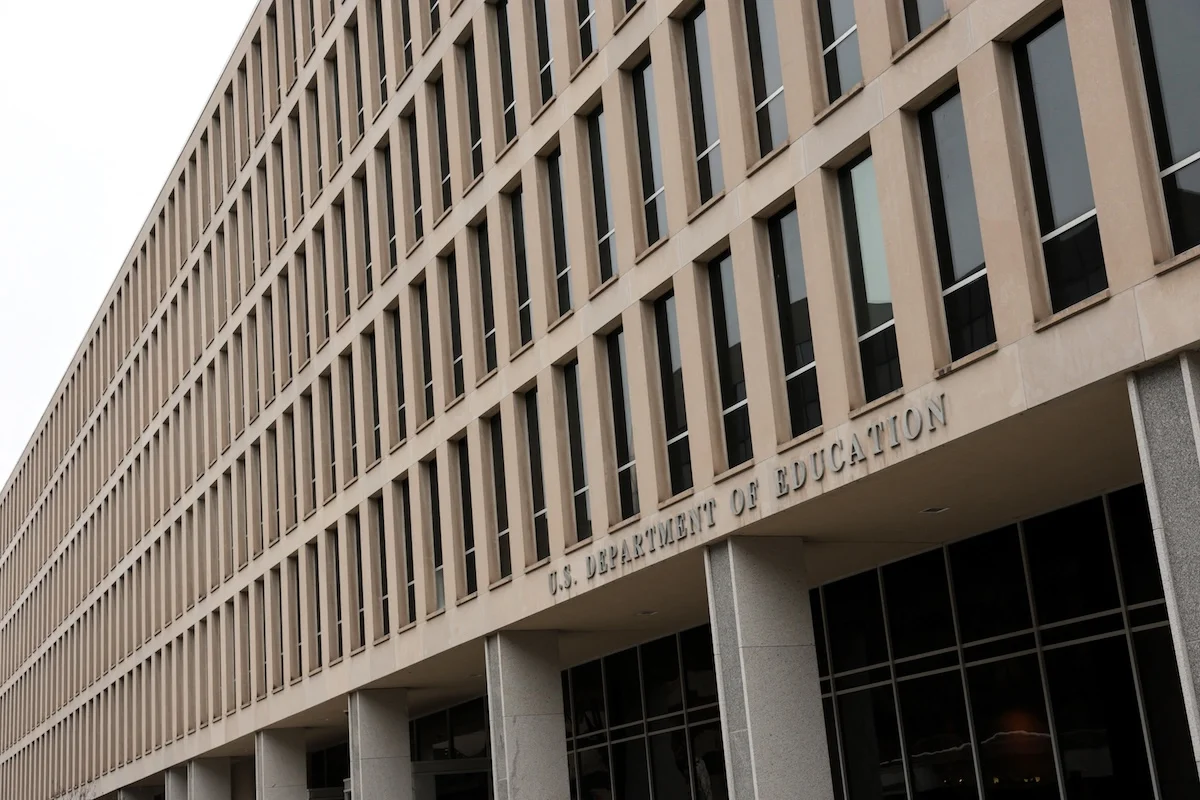
The U.S. Department of Education has moved the deadline for its temporary 1% federal student loan rate reduction to Dec. 31, 2026, giving borrowers three more months to enroll in auto pay. Those who qualify and enroll by then keep the reduced rate through June 30, 2028. The program began July 1, replacing the previous 0.25% auto pay discount.
The Department says nearly 2 million borrowers have enrolled since the benefit was announced this summer. Under Secretary of Education Nicholas Kent said the discount is helping lift repayment rates across the federal loan portfolio, where 9.3 million borrowers are in default.
Rate savings and enrollment bottlenecks
For a borrower carrying $40,000, the increase from the former 0.25% reduction to 1% could save about $600 in interest over the two-year period. The discount covers eligible Federal Direct Loans originated after July 1, 2012, including Parent PLUS loans, so borrowers with larger balances may see greater dollar savings.
The extension also gives borrowers more time to leave the SAVE plan and select another repayment option. Once a notice arrives, SAVE borrowers have 90 days to choose a new plan. The College Investor estimates that about half have received notices so far. A September 30 deadline risked excluding borrowers who had not yet been able to move into an eligible plan.
Repayment-plan processing adds another constraint: auto pay enrollment requires an active repayment plan, and borrowers have reported waits of several months for servicers to process applications. The later deadline gives some applicants more time to complete both steps.
Eligibility depends on loan status
Borrowers already enrolled in auto pay do not need to take further action; servicers applied the 1% reduction when the program launched. Those who are not enrolled must sign in to their servicer account, set up automatic payments with bank details, and remain enrolled and eligible to retain the discount.
- Former SAVE borrowers: They must move into an active repayment plan, such as RAP, IBR or Standard, by Dec. 31 to qualify.
- Borrowers in default: They must bring eligible loans back into good standing before the discount applies. The outlined path is to sign in to StudentAid.gov, consolidate eligible loans, apply for a repayment plan, then enroll in auto pay. Rehabilitation takes nine on-time payments, so it cannot meet the deadline on its own.
Defaulted borrowers face a compressed timeline. Wage garnishment on defaulted loans is scheduled to restart this fall, potentially taking up to 15% of a borrower’s wages without a court order. Restoring loans to good standing before year-end could therefore affect both collection exposure and eligibility for the rate reduction.
Why the Department is emphasizing automatic payments
The discount is designed to encourage borrowers to resume payments and stay current. That fits with the new Repayment Assistance Plan, which can waive unpaid interest and provide a matching principal payment of up to $50 per month when borrowers make a full, on-time payment. Paying early can reduce the interest waiver under RAP, while a late payment forfeits both benefits for that month. Automatic payments may help borrowers meet those conditions.
Consistent payment timing also matters for Public Service Loan Forgiveness, which requires 120 qualifying on-time payments. A missed due date means that month does not count. The Department’s push comes after the defaulted portfolio grew by roughly 1.6 million borrowers and $54 billion over the past year.
Different repayment plans, different effects
Borrowers on Standard or Tiered Standard plans may feel the rate cut most directly: with the payment amount unchanged, less interest can leave more of each payment to reduce principal and shorten repayment. For borrowers on income-driven plans, monthly bills are based on income, so the immediate payment effect may be smaller. The lower rate can still reduce total interest, while auto pay may help protect the RAP subsidy.
The enrollment extension follows a year of shifting collection measures. The Department paused wage garnishment and tax refund offsets early in 2026 while introducing RAP, then transferred collections to the Treasury Department, which began increasing contact with defaulted borrowers in July. The auto pay reduction adds a repayment incentive as collections resume.
What to watch through year-end
Future Federal Student Aid data should show whether auto pay enrollment corresponds with changes in delinquencies, while the pace of SAVE exit notices will determine how many borrowers can select a new plan before the deadline. The Department has not indicated whether it will extend enrollment again. Borrowers who enroll by Dec. 31, 2026, are set to retain the reduced rate through June 30, 2028.


