Should a Family Earning $125,000 File the FAFSA?
“The FAFSA opened this week, but I’m worried we earn too much to qualify for aid. Our household income is about $125,000, and our daughter is a high school senior. People keep telling me there’s no point in applying. Should we fill it out anyway?”
— Rick
Welcome to the Friday mailbag. We answer one reader question each week; details on sending us yours appear below.
Yes. File the FAFSA soon. The application takes roughly 10 to 15 minutes, and there’s no income ceiling that prevents a family from submitting it. Treating income as an automatic disqualifier can close off options before a college or aid program has even assessed the household.
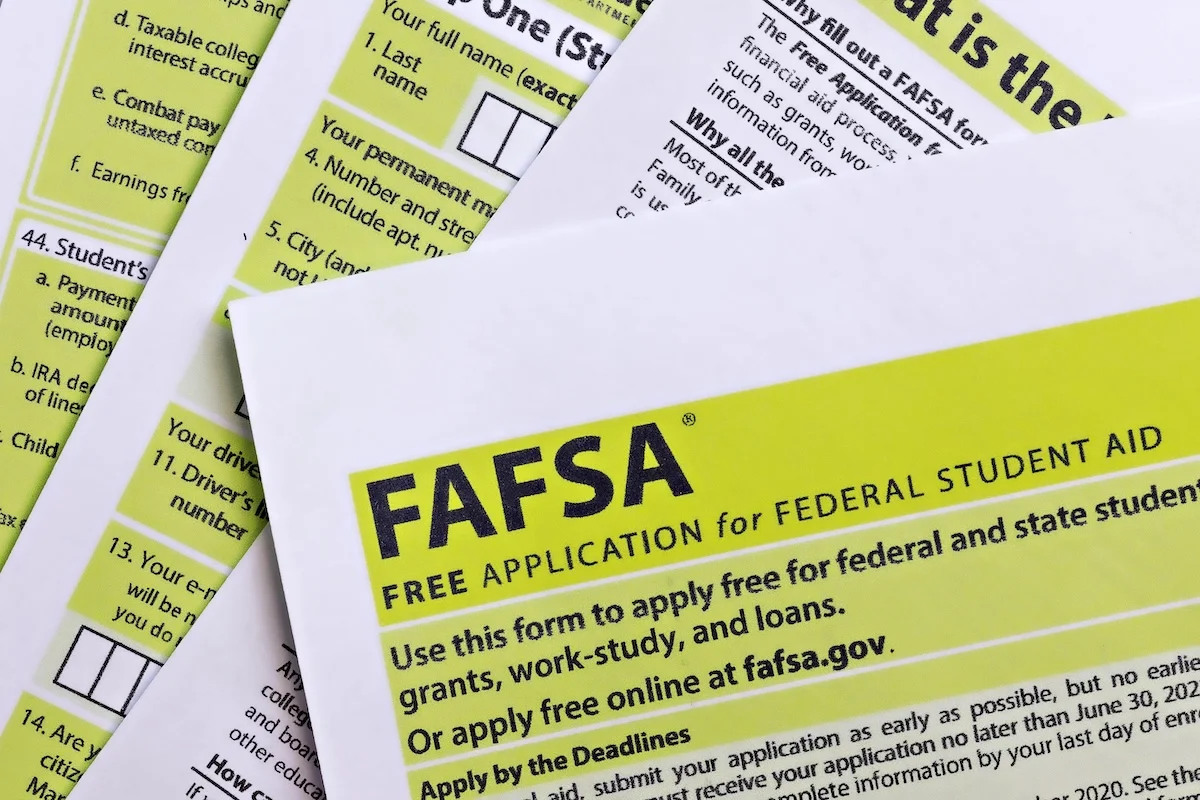
The FAFSA is the application used to seek aid; submitting it doesn’t guarantee an award. It can establish eligibility for a federal Pell Grant and federal student loans, and it sends information to state grant and scholarship agencies and colleges. Some states may also require seniors to file or submit a waiver to graduate.
Why filing early can matter
The 2027–28 FAFSA opened this week, earlier than its usual October 1 launch. The Department of Education calls this the earliest opening in the program’s history for a second year in a row. Under Secretary Nicholas Kent says the form takes about 15 minutes on average.
Early filing can affect access to aid. State grants and college funds may be distributed until the money runs out, so applying sooner can help a family meet deadlines and get considered while funds remain available. Check the federal, state, and college dates in this FAFSA deadline guide; state deadlines are often the ones families miss.
There’s a practical advantage, too: time to resolve snags. An FSA ID that needs verification, a request to confirm information, or a correction can take days or weeks. Catching a problem in October leaves more room to handle it than finding it in February.
Income is only one part of the calculation
Here’s the distinction that gets lost in word-of-mouth advice: Pell Grants have income rules, but the FAFSA itself does not. Pell awards are capped at $7,395 a year, and families often mistake that program’s limits for a cutoff across all financial aid. The explanation of Pell Grants covers that specific program; this overview of FAFSA income limits explains why households with six-figure incomes still apply and may receive aid.
Income also doesn’t determine a family’s Student Aid Index (SAI) by itself. Family size and assets matter, so two households earning the same amount can receive different calculations. The SAI calculator can give you a more useful estimate than a general income rule of thumb.
Colleges compare the SAI with their own cost of attendance. At a school charging $88,000 a year, a family earning $125,000 may show financial need; at an in-state public college costing $28,000, it may not. The school matters as much as the salary. Families depending on need-based assistance may find more aid at some private colleges, while many state schools offer less help to them. See what counts as a good SAI for examples against college prices.
The form can open doors beyond grants
Skipping the FAFSA also means giving up access to federal student loans, which are applied for through the form. Those loans carry a fixed interest rate and offer income-driven repayment; borrowers may also qualify for student loan forgiveness programs. If your daughter needs to borrow, filing preserves those options. This guide covers other reasons to file regardless of income.
College aid is another reason not to guess. Many schools require a FAFSA before awarding institutional grants, and some link merit scholarships to having the form on file even when the scholarship isn’t based on financial need. State grant programs also commonly use FAFSA data, and some set eligibility rules above federal program limits.
Old advice may not fit the current rules
Advice from parents whose children enrolled several years ago may reflect a different formula. The FAFSA Simplification Act replaced Expected Family Contribution with the SAI and changed where some eligibility thresholds fall.
A Government Accountability Office review found that the overhaul added about 1.9 million students to the Pell Grant rolls. Other rule changes have also shifted where the middle-class Pell cutoff sits. Those changes probably won’t make a $125,000 household eligible for Pell, but they help explain why older, secondhand claims about who qualifies can be unreliable. The 2027–28 SAI chart offers a way to see how the current formula treats your figures.
Check your state’s rules and get started
Twelve states currently require FAFSA completion for high school seniors, according to NCAN. Most provide a parent-signed opt-out waiver, but finding out about the requirement in May is far more stressful than addressing it in October. Even where filing is optional, some schools and districts track completion and offer guidance through the process.
Start by creating FSA IDs for your daughter and one parent. Identity checks can add several days. Then gather the tax return the FAFSA draws from and the current balances for reportable accounts. Knowing which assets count and which are excluded can prevent a higher-than-expected result.
Try to submit within the next few weeks, ideally before Thanksgiving, rather than waiting for spring. Keep your records together in case you’re selected for verification. It’s a routine review, and organized paperwork can help you respond quickly.
Three assumptions that can cost you
First, don’t treat the FAFSA as a pass-or-fail income test. It’s an application that gives colleges and aid programs information to assess; some aid available to a family at this income won’t depend on demonstrated need. The meaning of meeting 100% of demonstrated need varies by college.
Second, an SAI isn’t a final college award. Schools set their own aid packages, and two colleges with the same published price can offer packages that differ by tens of thousands of dollars.
Finally, a neighbor’s experience from three years ago tells you little about your household’s result. Aid depends on your family’s circumstances, the college, and the applicable rules. File first; compare actual offers once they arrive.
Send us your question
Have a student loan, financial aid, or money question you can’t get a straight answer on? Send it to us for a chance to have it answered in a future Friday mailbag. Questions may be edited and published, and your identity will remain anonymous.
Reader Mailbag
Name (required): First and last
Email (required): Enter and confirm your email
Ask your question (required; maximum 600 characters)
Questions submitted may appear in articles on The College Investor. We may not answer every question and reserve the right to edit and publish submissions. Your identity will remain anonymous.
Submit
Editor: Colin Graves
The post We Make Too Much For Financial Aid. Should We Still File The FAFSA? appeared first on The College Investor.


