Banks Shift Digital Banking From IT Projects Toward Ongoing Products
Banks are beginning to treat digital banking as an ongoing product shaped by customer behavior, with success measured by how well it solves real tasks.
Banks face rising AI-driven security work and more mobile deposits, while Intuit and BNY expand financial software and digital asset services.
Frec offers customizable direct indexing and automated tax-loss harvesting from 0.09% annually, but its $20,000 minimum may limit who can use it.
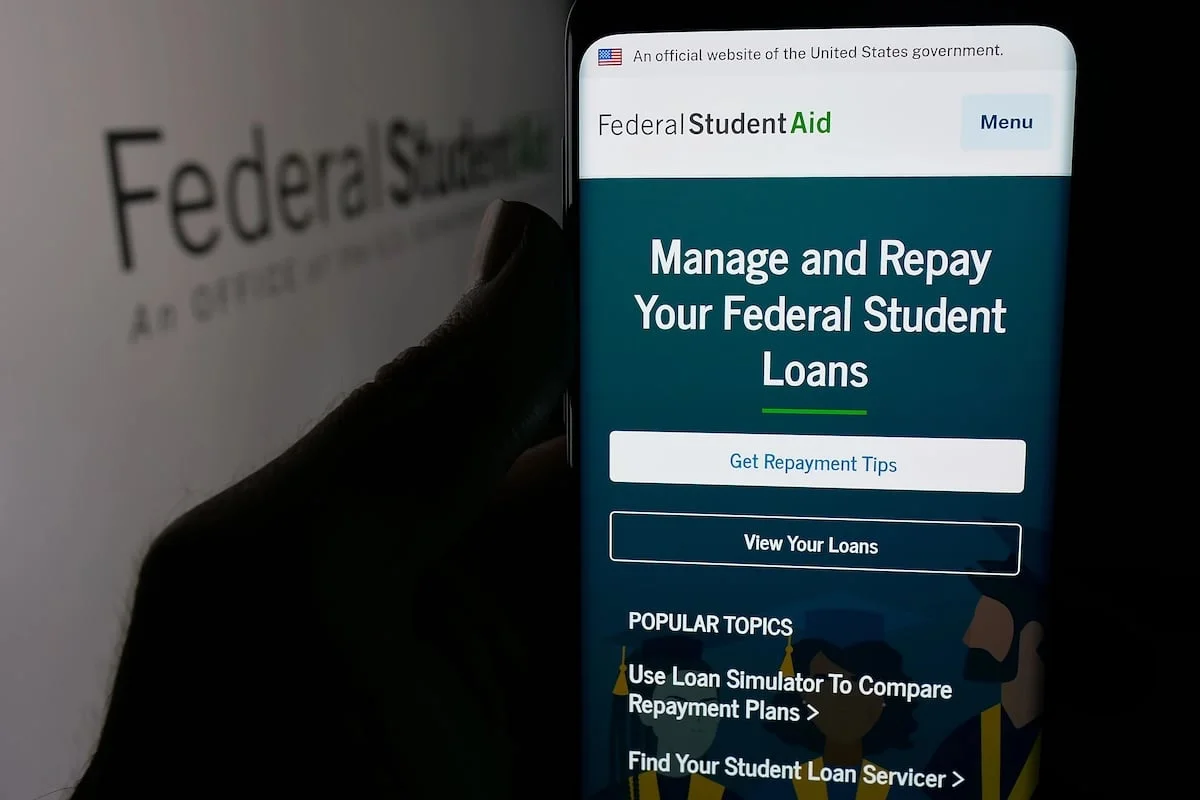
A reported 2027 FSA spin-off would require congressional action, while staffing cuts and processing delays raise questions about the agency’s capacity.
SAVE borrowers who miss their 90-day deadline get one final month to choose a plan before servicers assign a fixed repayment option.
Coinbase’s Moov and Citi partnerships expand access to USDC payment infrastructure, while the reach and timing of bank adoption remain unclear.
Goldman Sachs reports financial strain rises above $200,000 in annual income, while retirement savings contributions fell among workers in 2026.
Government backing may improve a company’s outlook, but investors should weigh what’s committed, priced in, and at risk before trading its shares.
Bloomberg Intelligence projects data-center construction costs will reach $1.7 trillion by 2027, with spending extending from chips to power, cooling and networking.
The $3.9 billion all-stock merger would combine EverBank’s digital deposits and lending with WaFd’s 250-plus financial centers.
EOS traded at a 13.31% discount to net asset value, wider than its roughly 8% average over the prior year. A discount warrants research, not assumptions.
Salient now serves roughly half of the top 20 U.S. auto lenders, expanding from AI calls into servicing, recovery and compliance workflows.
Valley’s planned Bluevine acquisition brings a digital small-business platform into the bank, raising questions about retaining the capabilities behind its growth.
A review found 72 colleges and university systems require SAT or ACT scores for fall 2027 applicants, with policies and exceptions varying by school.
Compare top LSAT prep options, from Princeton Review’s $2,099 course to Magoosh at $199, alongside 2026 test format, fee and location changes.